 12:11
Business models

I’m Nikesh Reddy, studying AI at Tetr. Over the next seven semesters, I’m learning how to take an idea from a real need to a useful product, bring it to market, and understand the business around it. This is my growing record of the questions, people, and work along the way.

01 / A growing body of work
A video makes an argument. A reflection examines an experience. An idea brief gives a question a practical next step.
I want to understand
the problem deeply.
Then build from
that clarity.
The practice behind this website.
02 / How I learn
I want to stay with a problem long enough to understand who feels it, where the work breaks down, and what would make a difference. Then comes the next challenge: testing a useful solution and learning how its value, delivery, and economics could support a business.
Follow the work step by step. Look for the causes and constraints behind the frustration, and make the assumptions visible.
Learn from people doing the work. Ask about the decisions, constraints, and surprises behind the polished story.
Turn an assumption into a small test. Apply AI where it helps, compare it with a simpler approach, and check whether the whole task gets better.
Make the idea tangible: a working prototype, a useful tool, or a clear explanation someone else can examine.
Write down what changed, publish what I can support, and let the next conversation improve the work.
03 / Beyond the classroom
One starting chapter and seven semesters ahead. Field Notes is a place to connect conversations, company visits, and practical attempts as this learning unfolds. The notebook contains clearly labeled example formats.
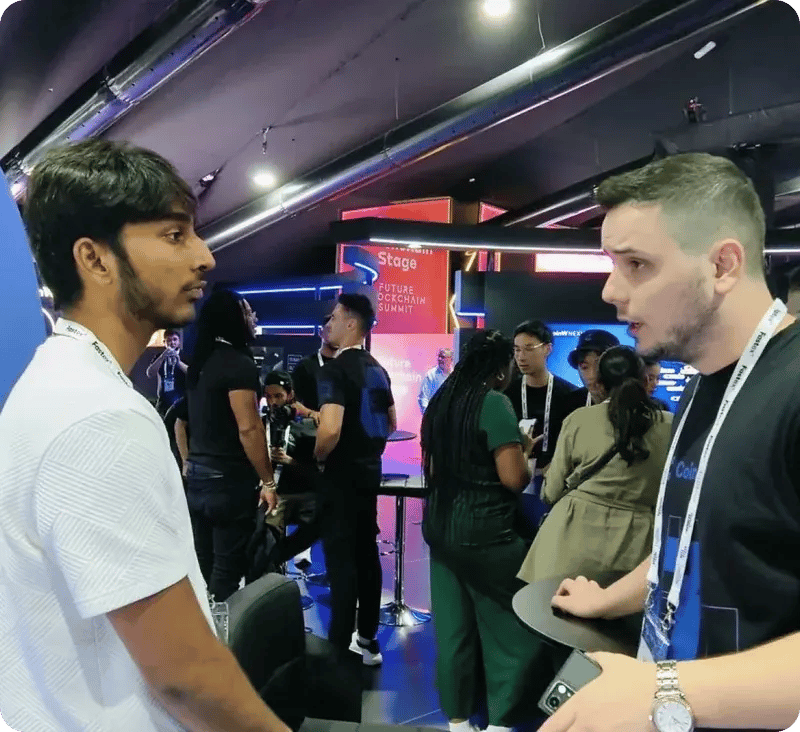
The useful detail is often the one I did not know to ask about.
A good note keeps the context, the observation, and the next question together. Explore the example formats for a conversation, a company visit, and a practical attempt.
A learning map for the whole business: product, AI, brand, launch, marketing, sales, money, and the work that keeps it running.
04 / From the published archive
Three published reflections connect this approach to the experiences and questions already in the archive.
My published e-commerce reflection follows the work around an order: reaching customers, dealing with suppliers, and earning trust when things go wrong.
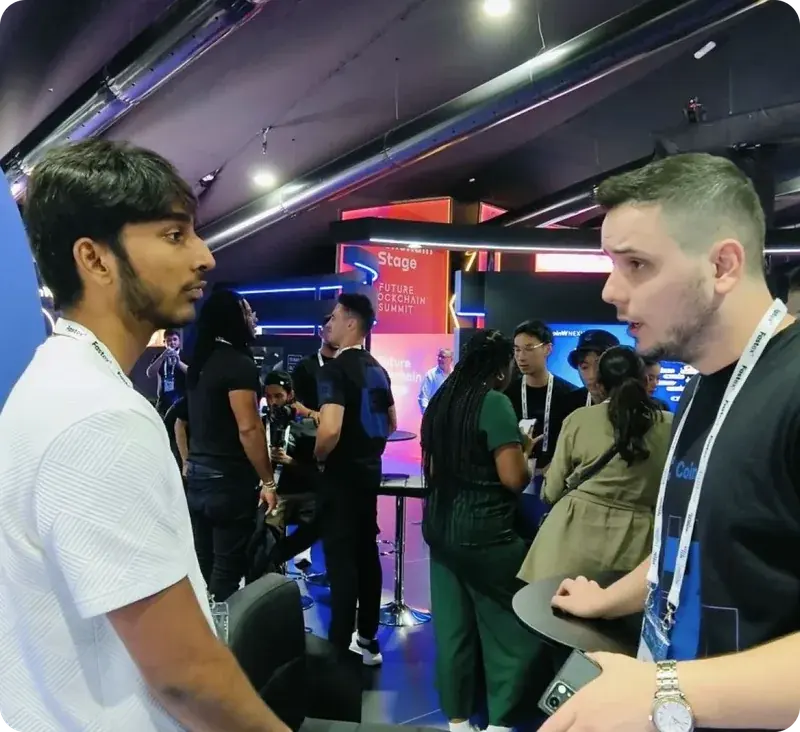
My Dubai conference reflection looks at what happens when classroom ideas meet founders, product demonstrations, and the messy detail of real businesses.
My reflection on documenting the journey explores why explaining an idea, admitting a gap, and inviting a response are part of learning.
Photo notebook
A growing collection of photographs, with a little context for each moment.